• Itinerary
  • Forbidden City, Lama Temple, Beijing Hutong One-Day Tour.(ID:675)

Forbidden City, Lama Temple, Beijing Hutong One-Day Tour
Package options

Please select a travel date

Please select a package

  • Day Tour Everyday Departure except Monday

Quantity

Introduction

Minimum Price- From

Not satisfied with this route? You can Click here to customize your itinerary

Package details:

  • Day Tour Everyday Departure except Monday
  • Itinerary:

    Day 1

    Lama Temple and Beijing Hutong

    09:30 am

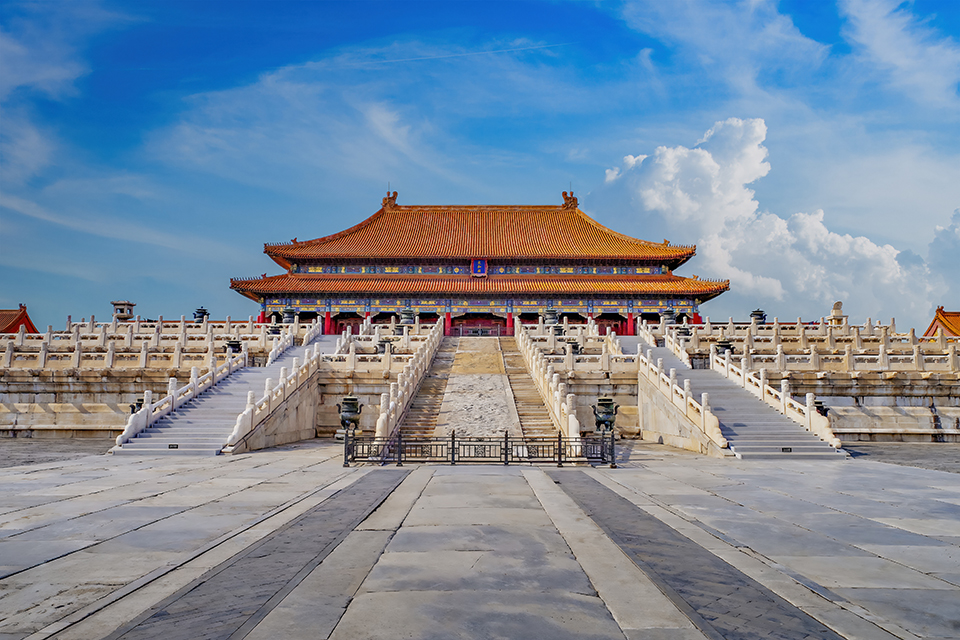
    Forbidden City

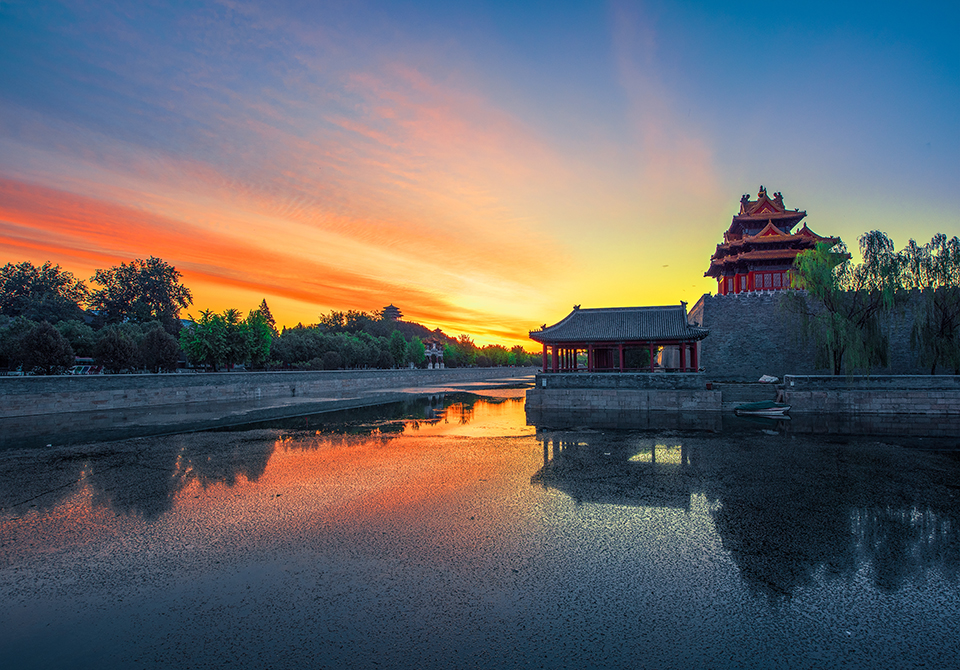
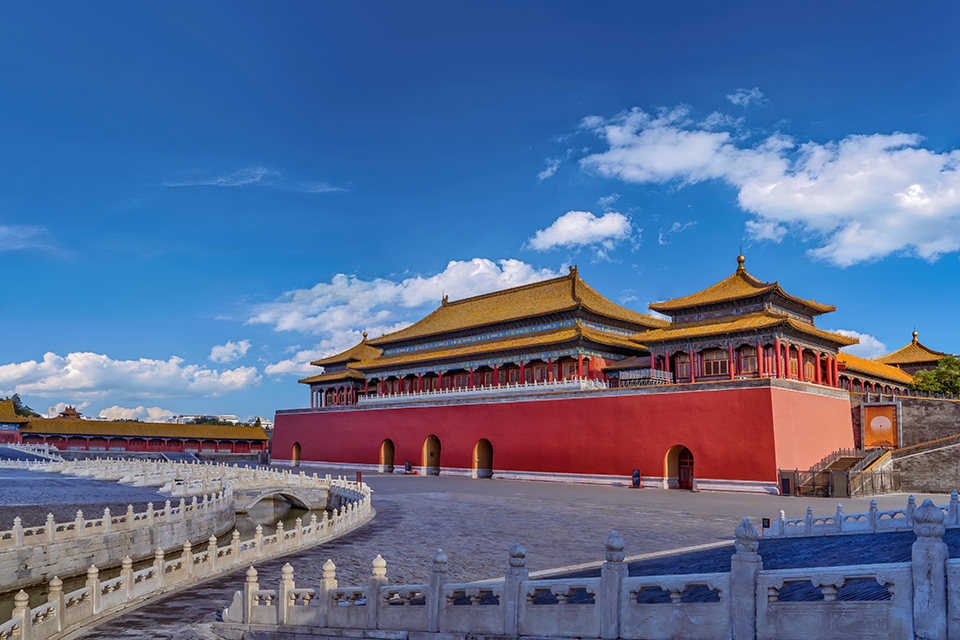
    The Forbidden City was first built in the early-15th century as the palace of the Ming emperors of China. It is located in the centre of Beijing, China, and was the Chinese imperial palace from the early-Ming dynasty in 1420 to the end of the Qing dynasty in 1912, continuing to be home of the last emperor, Puyi, until 1924, since then it has been a museum. Built from 1406 to 1420, the palace complex has undergone many changes. After serving as the imperial palace for some five hundred years, the Forbidden City became a museum, the Palace Museum, in 1925. In 1987, it was declared a World Heritage Site by UNESCO.

    16:00-17:00

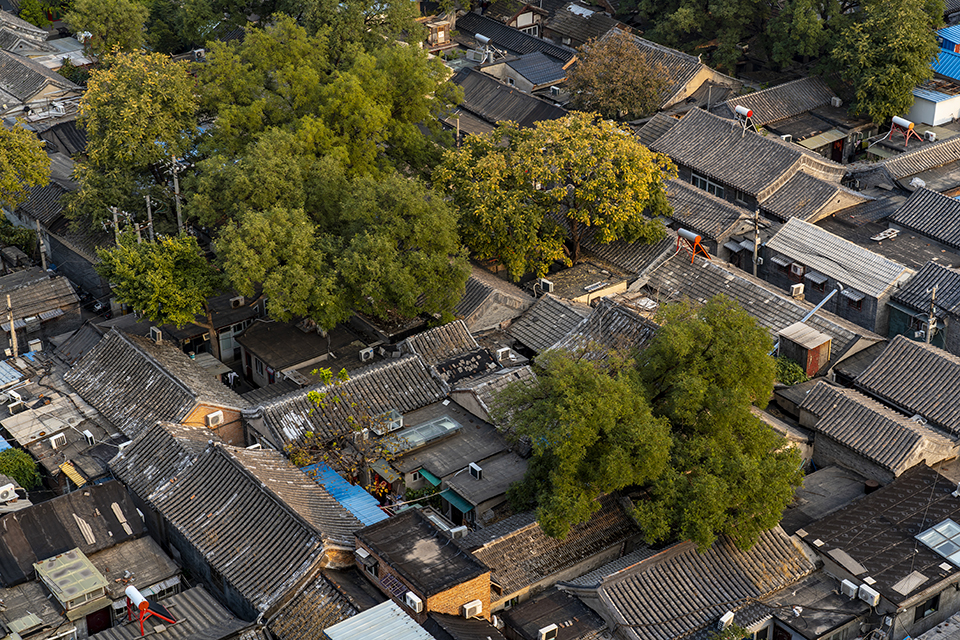
    Beijing Hutong

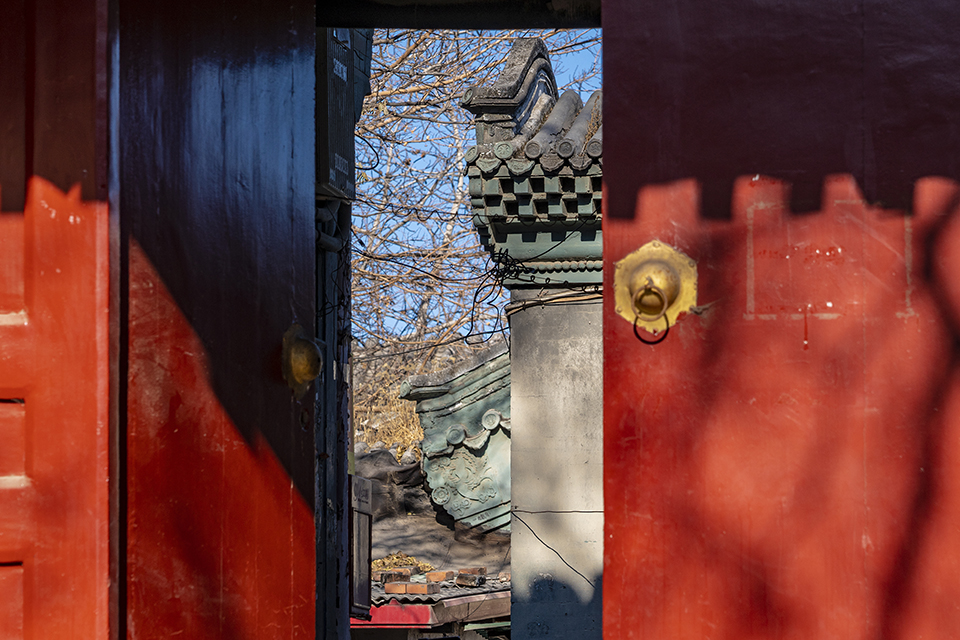
    Beijing's hutongs are a labyrinth of narrow alleyways and traditional courtyard homes, forming the historic heart and soul of old Beijing. These intricate networks, primarily built during the Yuan (1271-1368), Ming (1368-1644), and Qing (1644-1912) dynasties, were laid out around the Forbidden City. The term "hutong" originates from the Mongolian word for "water well," signifying a community built around a essential water source. A hutong is more than just a passage; it is the framework for siheyuan, traditional four-sided courtyard complexes where families lived for generations. The layout fostered a profound sense of community and social order. The hutongs themselves vary, from broad, formerly prestigious lanes to tiny, winding alleys, creating a unique and intimate urban fabric. Today, while many hutongs have been lost to modernization, preserved areas like those around Shichahai and the Bell and Drum Towers offer a living museum of Beijing life. Visitors can explore by rickshaw, peek into courtyards, and witness a slower-paced, communal lifestyle that stands in contrast to the city's modern skyscrapers, preserving the enduring spirit of ancient Beijing.

    2:30 pm

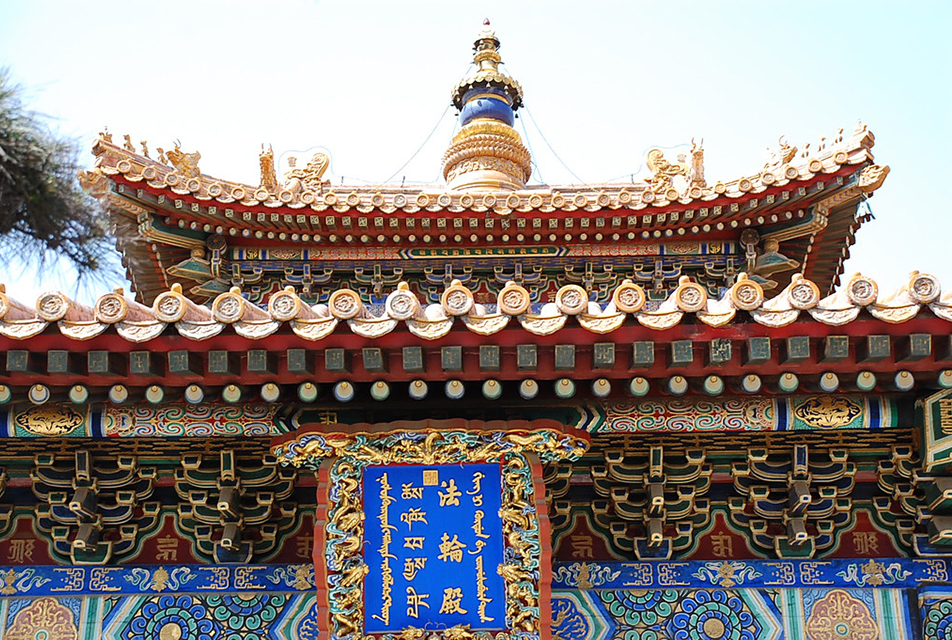
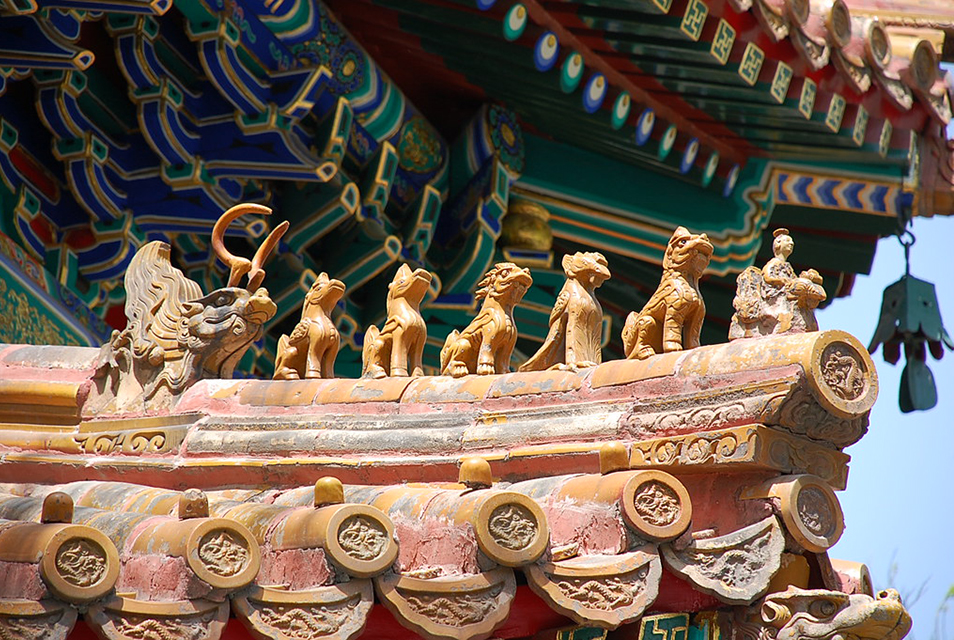
    Lama Temple

    Yonghe Temple, also known as the Lama Temple, is a renowned Tibetan Buddhist monastery located in Beijing, China. Originally built in 1694 as a residence for Emperor Kangxi’s son, it was converted into a lamasery in 1744 during the Qing Dynasty. The temple is celebrated for its exquisite blend of Han and Tibetan architectural styles, featuring vibrant red walls, intricate glazed tiles, and beautifully carved archways. It houses numerous cultural treasures, including a stunning 18-meter-tall statue of Maitreya Buddha carved from a single sandalwood tree. As one of the most important Tibetan Buddhist monasteries outside Tibet, Yonghe Temple remains an active place of worship and a major tourist attraction, offering visitors a glimpse into China’s religious harmony and imperial history.

  • Includes/Excludes

    • 待补充

Total-
Pay online