
3 Days Beijing Cultural Tour
Package options
Please select a travel date
Please select a package
- Private Tour with 5 seats car
Quantity
Introduction
 Beijing Beautiful and Beyond Travel
This three-day Beijing itinerary for international guests masterfully blends imperial grandeur, cultural immersion, and modern marvels into a compact yet profound journey.
Day 1 delves into the heart of imperial power and ancient ritual. The Forbidden City (故宫) offers a breathtaking immersion into China's dynastic past, with its vast complex of palaces and courtyards. In the afternoon, the architectural perfection and serene expanse of the Temple of Heaven (天坛) showcase the philosophical pursuit of harmony between heaven and earth.
Day 2 explores landscapes of leisure and modern ambition. The Summer Palace (颐和园), a UNESCO site, is a masterpiece of Chinese landscape garden design, where you can stroll by Kunming Lake and admire the elegant Longevity Hill. The journey culminates at the iconic Bird's Nest (鸟巢), the stunning Olympic Stadium. This architectural wonder symbolizes 21st-century China and offers a powerful contrast to the ancient sites visited earlier.
Returning to the city, the evening is spent wandering Nanluoguxiang (南锣鼓巷), a vibrant network of hutongs (traditional alleys) filled with boutique shops, cafes, and snack stalls, providing a perfect glimpse into Beijing's evolving urban culture.
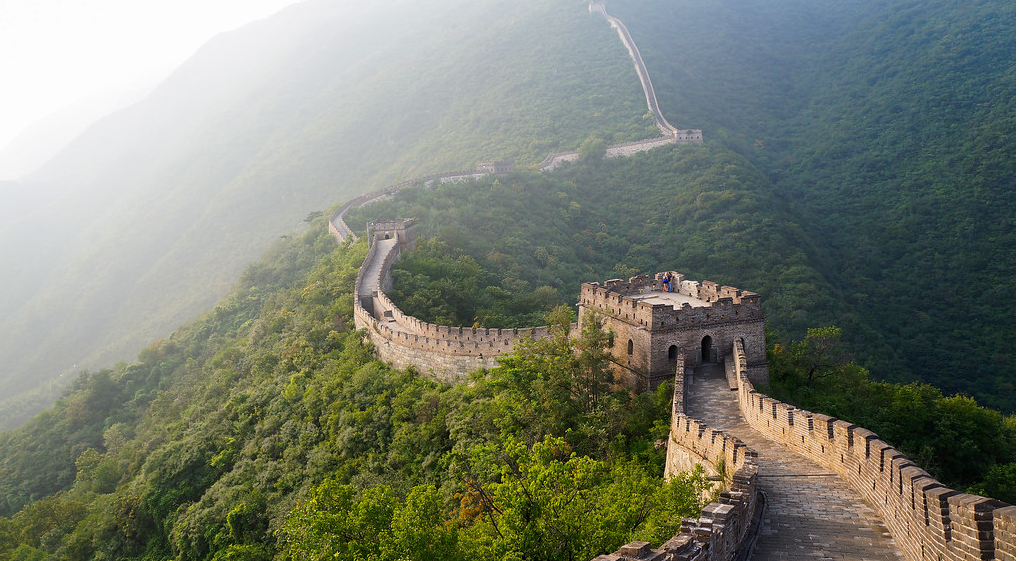
Day 3 presents a striking contrast between rugged history and relaxed local life. The highlight is an excursion to the Mutianyu section of the Great Wall (慕田峪长城), renowned for its stunning scenery and fewer crowds. The hike along this majestic fortress offers unparalleled views and a tangible sense of history.
Reason for recommendation:
This itinerary efficiently covers UNESCO World Heritage sites (Forbidden City, Temple of Heaven, Summer Palace, Great Wall) alongside contemporary landmarks, providing a holistic view of Beijing—a city where a profound past seamlessly dialogues with a dynamic present.Not satisfied with this route? You can Click here to customize your itinerary
Package details:
- Private Tour with 5 seats car
-
Itinerary:
Day 1
Tiananmen Square, Forbidden City and Temple of Heaven
Tiananmen Square, Forbidden City and Temple of Heaven

Tiananmen Square08:30-10:30
Tiananmen Square
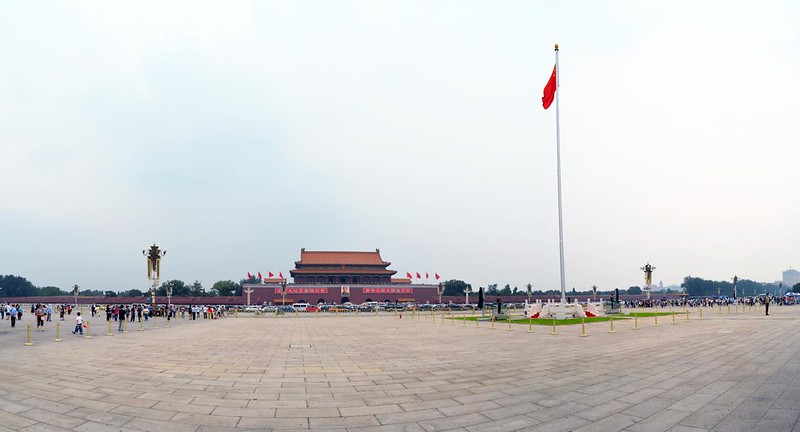
Tiananmen Square, open square in the centre of Beijing, China, one of the largest public squares in the world.
Tiananmen Square: Mao Zedong Memorial Hall Mao Zedong Memorial Hall, at the south end of Tiananmen Square, Beijing, China. Tiananmen Square was originally designed and built in 1651. It was enlarged to four times its original size and cemented over in 1958. It covers an area of 100 acres (40.5 hectares), and each flagstone is numbered for ease in assembly of parades. The square derives its name from the massive stone Tiananmen (“Gate of Heavenly Peace”; first constructed in 1417)—once the main gate to the Forbidden City—situated at its northern end. On a two-tiered marble terrace in the centre of the square is the Monument to the People’s Heroes (completed 1958). A monumental museum complex on the east side of the square is the National Museum of China, created in 2003 by combining into one institution the former Museum of the Chinese Revolution (opened 1950; dedicated to Chinese history since about 1840) and National Museum of Chinese History (established 1912; dedicated to Chinese history from its earliest beginnings until the Chinese Revolution). To the south of the Monument to the People’s Heroes is the Mao Zedong Memorial Hall (completed 1977), in which the body of Mao Zedong lies in state. Farther south is the Front Gate (Qianmen), constructed during the reign (1402–24) of the Ming-period Yongle emperor. Lying on the western side of the square is the Great Hall of the People (completed 1959). It is the site of the annual meetings of the National People’s Congress and contains a meeting hall with more than 10,000 seats and a banquet hall capable of seating 5,000. 08:30 - 10:30 Sightseeing
Forbidden City11:00-13:00
Forbidden City
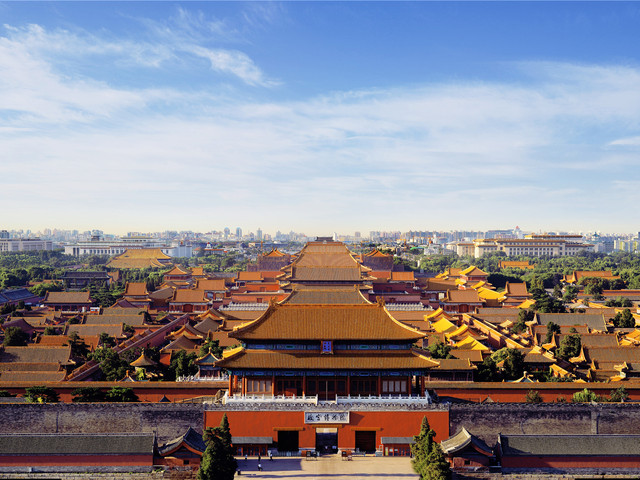
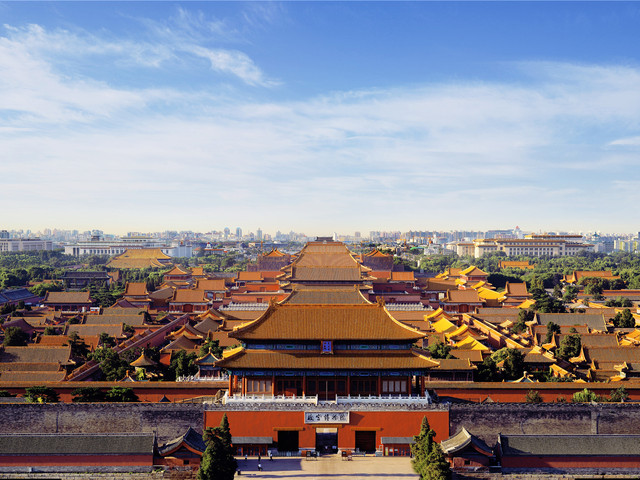
The Forbidden City was first built in the early-15th century as the palace of the Ming emperors of China. It is located in the centre of Beijing, China, and was the Chinese imperial palace from the early-Ming dynasty in 1420 to the end of the Qing dynasty in 1912, continuing to be home of the last emperor, Puyi, until 1924, since then it has been a museum. Built from 1406 to 1420, the palace complex has undergone many changes. After serving as the imperial palace for some five hundred years, the Forbidden City became a museum, the Palace Museum, in 1925. In 1987, it was declared a World Heritage Site by UNESCO.
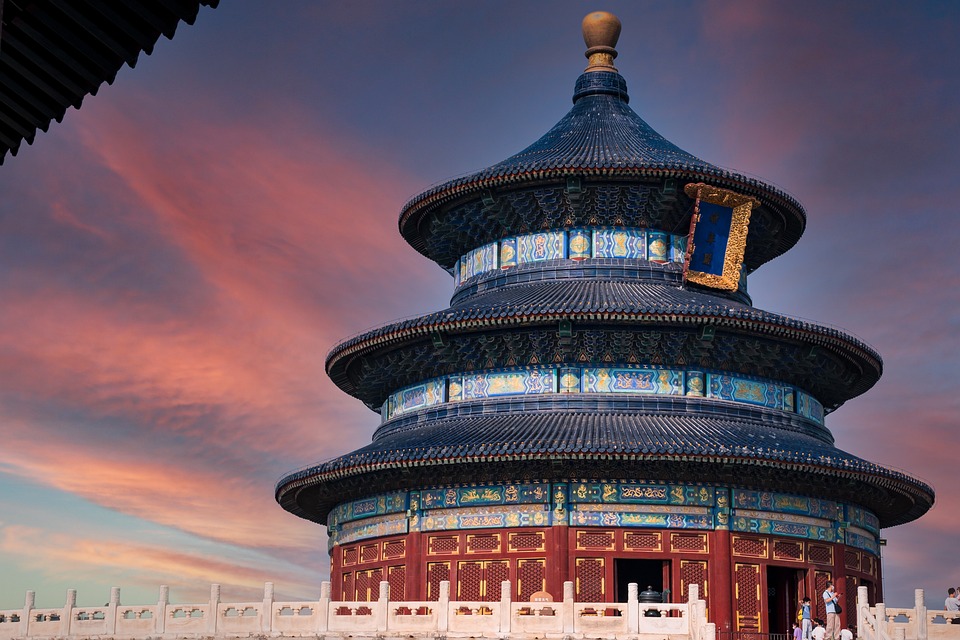
Temple of Heaven14:30-16:00
Temple of Heaven
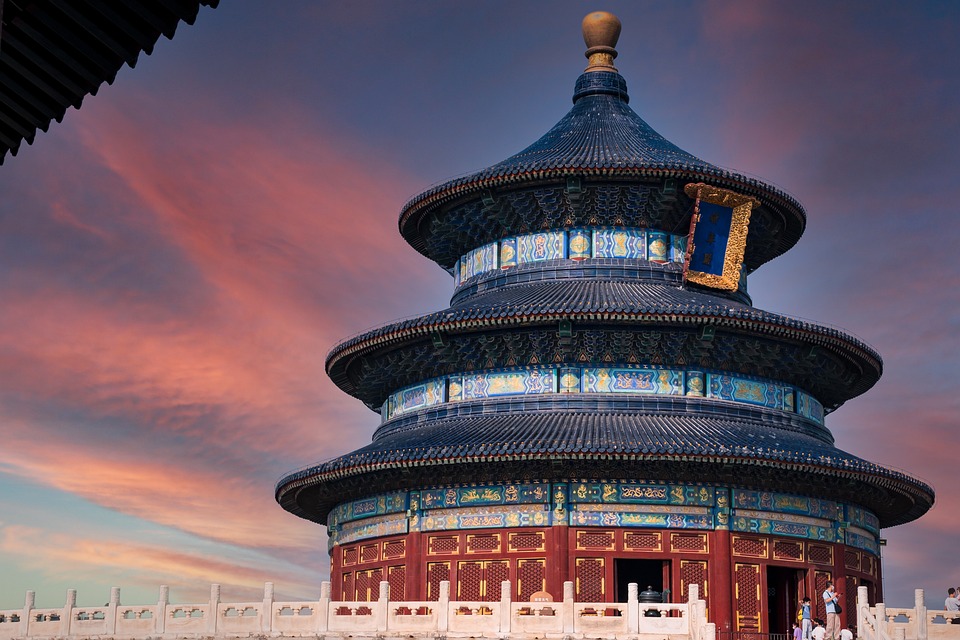
Temple of Heaven: an Imperial Sacrificial Altar in Beijing The Temple of Heaven, founded in the first half of the 15th century, is a dignified complex of fine cult buildings set in gardens and surrounded by historic pine woods. In its overall layout and that of its individual buildings, it symbolizes the relationship between earth and heaven – the human world and God's world – which stands at the heart of Chinese cosmogony, and also the special role played by the emperors within that relationship.
Day 2
Summer Palace, Bird Nestle and Nanluoguxiang
Summer Palace, Bird Nestle and Nanluoguxiang
08:30-11:30
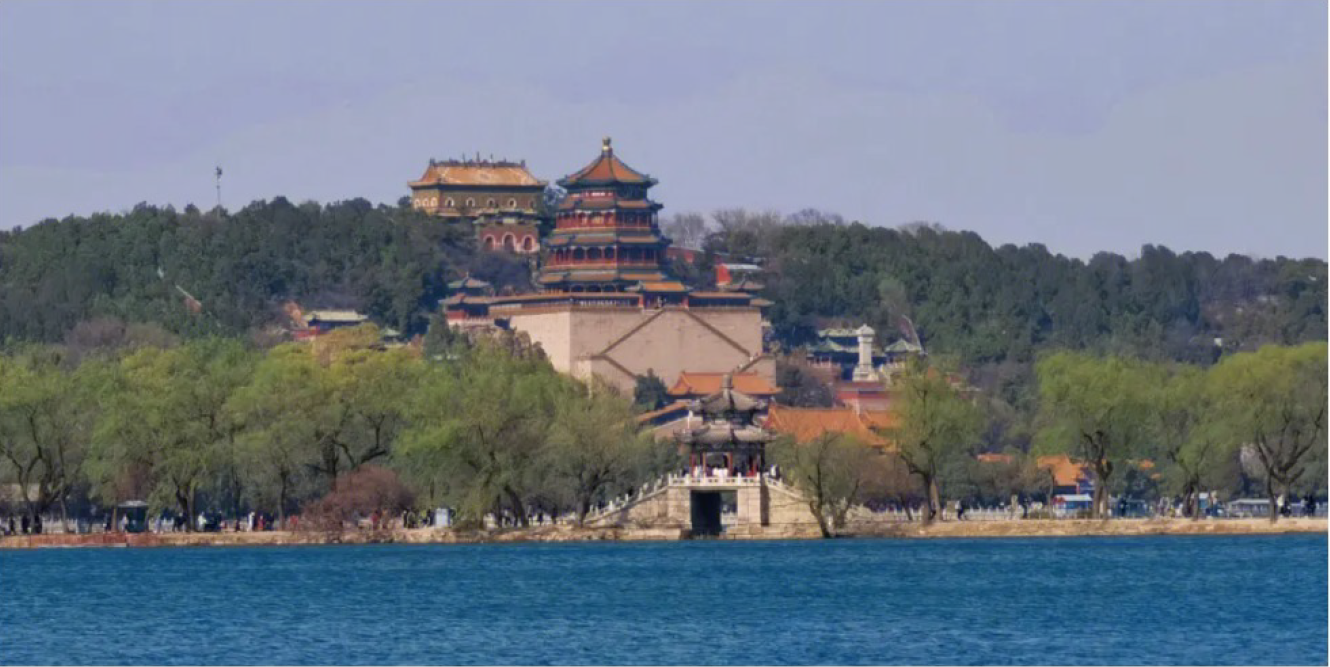
Summer Palace
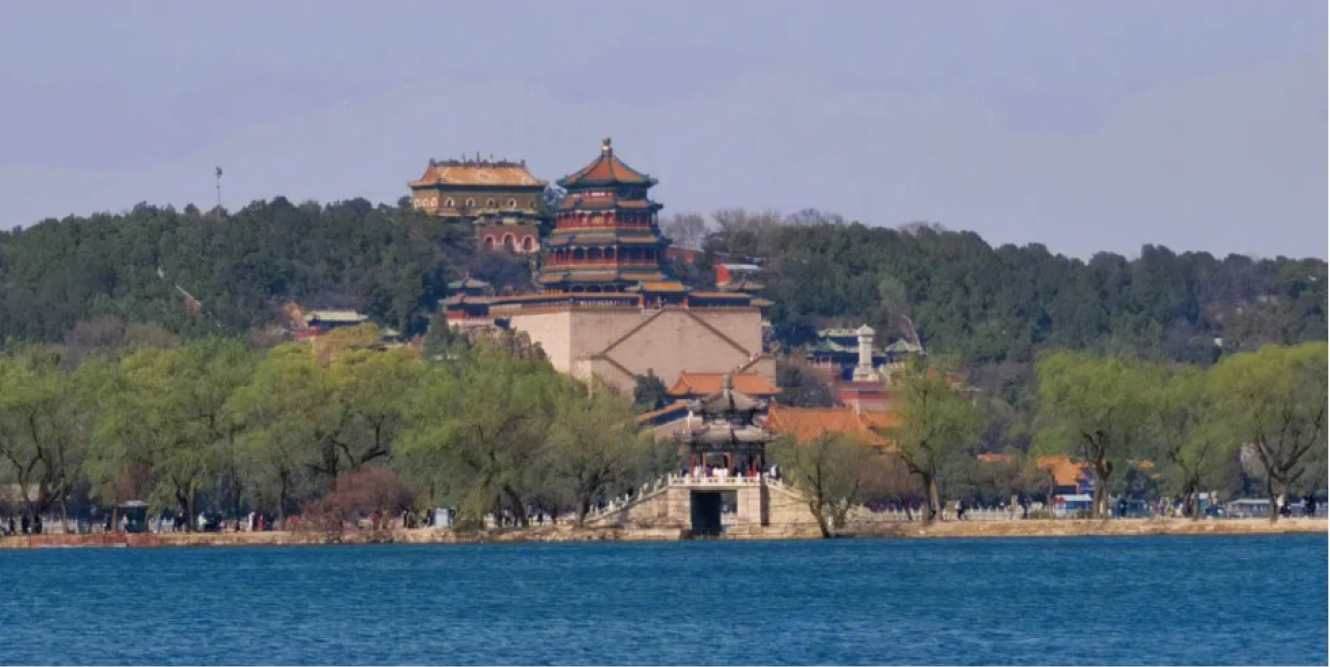
The Summer Palace (Yihe Yuan), a UNESCO World Heritage Site, is a masterpiece of Chinese landscape garden design located in Beijing. Constructed initially in 1750 during the Qing Dynasty by Emperor Qianlong, it was rebuilt in 1886 after being destroyed by war. Serving primarily as a luxurious imperial retreat from the Forbidden City's formalities, it harmoniously blends natural scenery with artificial landscapes. The complex centers on Kunming Lake and Longevity Hill. Its 70,000 square meters are a symphony of pavilions, halls, temples, bridges, and corridors. The Marble Boat, an ornate lakeside pavilion, and the Long Corridor, a 728-meter covered walkway decorated with thousands of exquisite paintings, are iconic landmarks. The garden ingeniously incorporates water, plants, and architecture to create picturesque vistas from every angle, embodying the Chinese philosophical pursuit of harmony between humans and nature. More than just a garden, it is a vast repository of culture. It showcases traditional horticulture, architecture, and art, reflecting the aesthetics and power of late imperial China. Today, it stands not only as a major tourist attraction but as a serene oasis and a profound symbol of China's historical and artistic heritage.
14:00-15:30
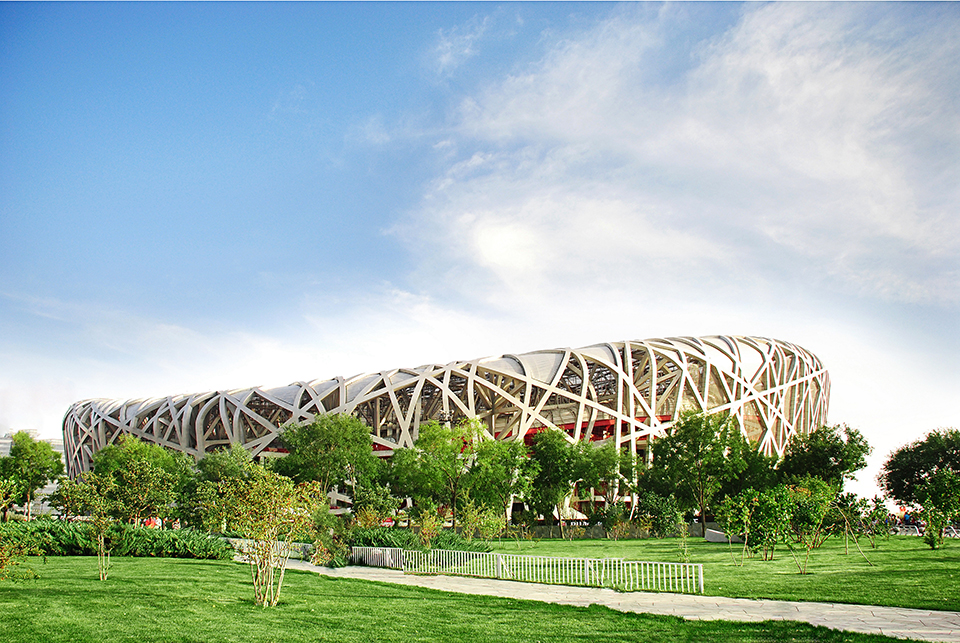
Bird Nestle
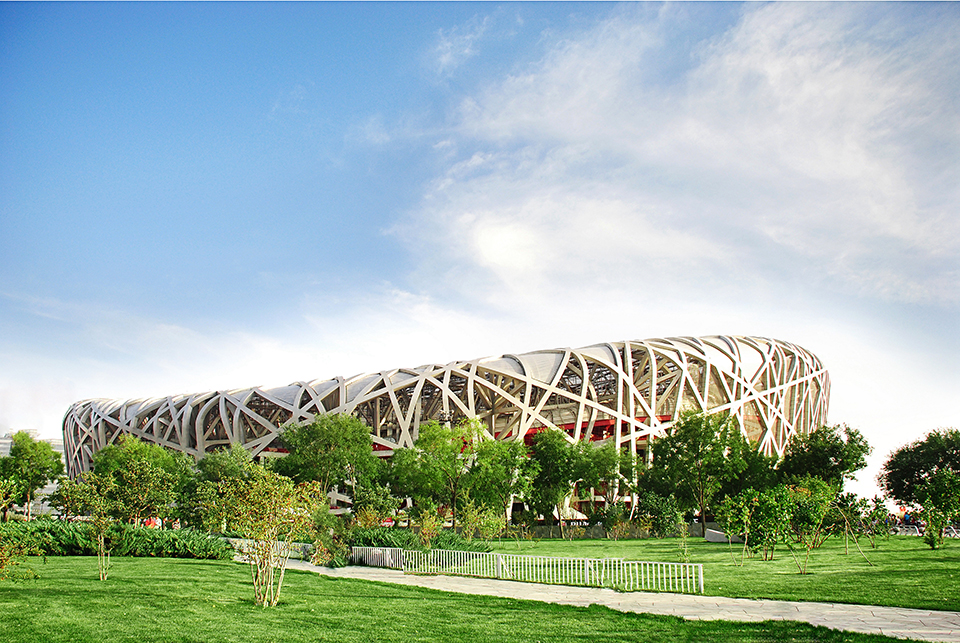
The Beijing National Stadium, affectionately known as the "Bird's Nest" due to its iconic lattice-shaped exterior, is a masterpiece of modern architecture and a symbol of contemporary China. Completed in 2008 for the Summer Olympic Games, it was the centerpiece of the world's attention during the opening and closing ceremonies, as well as the track and field events. Designed by the renowned Swiss architecture firm Herzog & de Meuron in collaboration with Chinese artist Ai Weiwei, the stadium's design is both radical and deeply symbolic. Its seemingly random steel structure, weighing 42,000 tonnes, mimics the intricate twigs of a bird's nest, representing nature, hospitality, and hope. This innovative exoskeleton eliminates the need for internal columns, creating an unobstructed view for up to 91,000 spectators and a vast, flexible arena space. More than just a sports venue, the Bird's Nest is a multifunctional urban landmark. While it continues to host major sporting events like football matches and the 2022 Winter Olympics opening ceremony, it has also transformed into a premier entertainment hub, staging concerts by international stars and large-scale cultural performances. Its illuminated facade creates a stunning nighttime spectacle, making it a must-visit tourist attraction. The Bird's Nest stands as a powerful testament to China's architectural ambition and its role on the global stage. It seamlessly blends avant-garde design with functional excellence, remaining an enduring and vibrant icon of Beijing's cityscape long after the final medal of the 2008 Games was awarded. It is not merely a stadium but a permanent monument to Olympic spirit and modern Chinese identity.
16:00-17:00
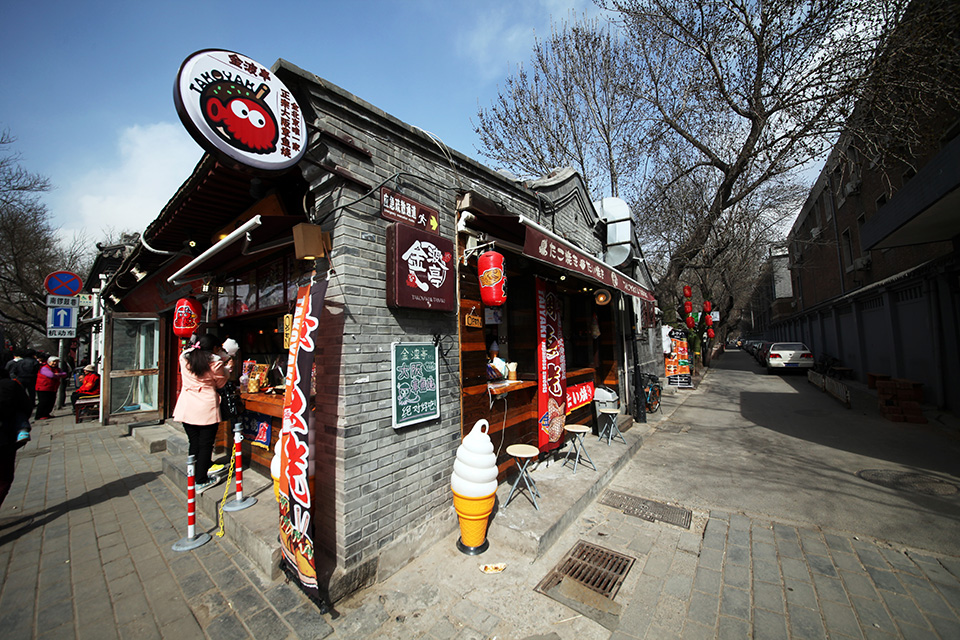
Nanluoguxiang
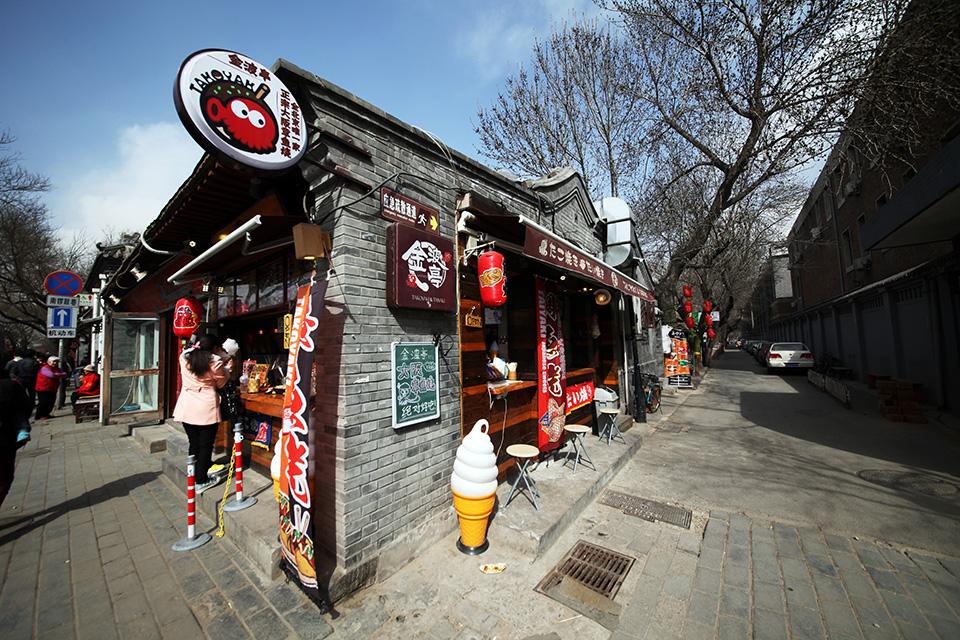
Nestled in the heart of Beijing, just north of the Forbidden City, lies Nanluoguxiang, a timeless hutong that serves as a vibrant bridge between the capital's ancient past and its dynamic present. Stretching approximately 800 meters from south to north, this narrow alleyway, lined with traditional siheyuan courtyards, dates back to the Yuan Dynasty, forming part of the oldest urban planning of Beijing. Its name, which translates to "South Gong and Drum Lane," hints at its historical role in the city's rhythm and layout. Today, Nanluoguxiang is a fascinating microcosm of contrast and continuity. While its grey brick walls and traditional architecture whisper tales of bygone eras, the lane pulses with modern energy. It has transformed into one of Beijing's most famous and eclectic pedestrian streets, a premier destination for both locals and tourists. The main alley and its eight branching hutongs are a bustling tapestry of independent boutiques, trendy cafes, innovative dessert shops, and vibrant bars. Here, you can sip artisan coffee in a refurbished courtyard, browse for quirky souvenirs and designer trinkets, or sample contemporary twists on classic Beijing snacks. Yet, amidst the commercialization, the soul of the hutong life persists. Peek into the side alleys to witness residents going about their daily lives, cycling or chatting on stoops, offering a serene counterpoint to the main street's buzz. Nanluoguxiang, therefore, is more than just a shopping street; it is a living museum, a cultural experiment, and a social hub. It embodies Beijing's remarkable ability to preserve its architectural heritage while fearlessly embracing new trends, making it an essential experience for anyone seeking to understand the city's layered identity.
Day 3
Mutianyu Great Wall
Mutianyu Great Wall
08:30-16:00
Mutianyu Great Wall
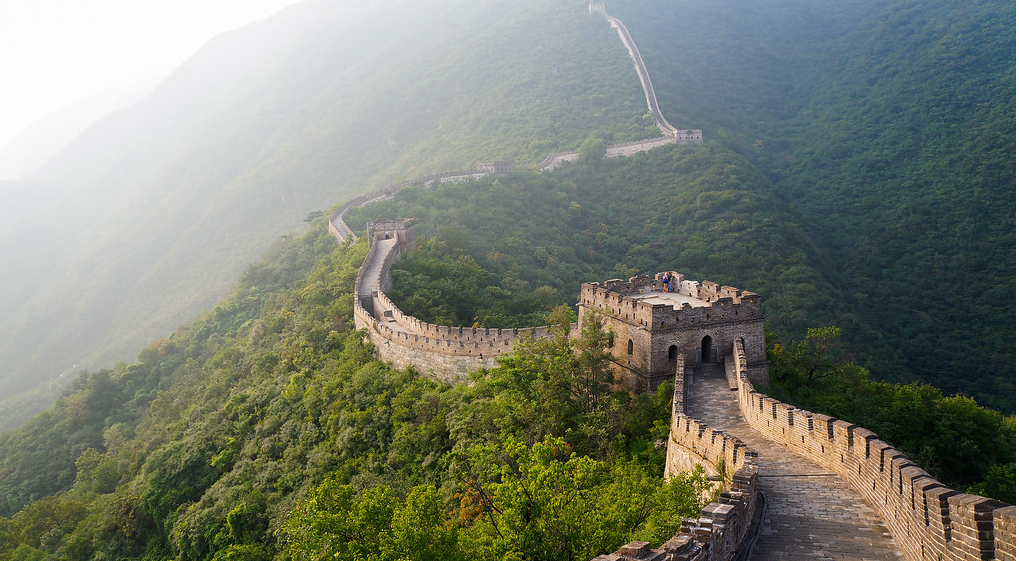
Located in Bohai Town, Huairou District, Mutianyu Great Wall was constructed under the supervision of Xu Da, a founding minister of the Ming Dynasty, on the site of the Northern Qi Great Wall. It is considered the essence of the Ming-era Great Wall and extends 5,400 meters, making it the longest section in China. Mutianyu connects to Gubeikou in the east and Juyongguan Pass in the west, serving as a vital military stronghold protecting the capital since ancient times. It is one of Beijing's 16 famous scenic spots and is renowned internationally, earning the nickname "The Great Wall of 10,000 miles, Mutianyu stands out alone." Mutianyu features well-preserved structures such as the main pass platform, Big Corner Tower, and Eagle Flies Inverted, attracting visitors with its ancient charm.
-
Includes/Excludes